Sigmund Freud in Trebinje: The 1898 Carriage Ride That Made Psychology History
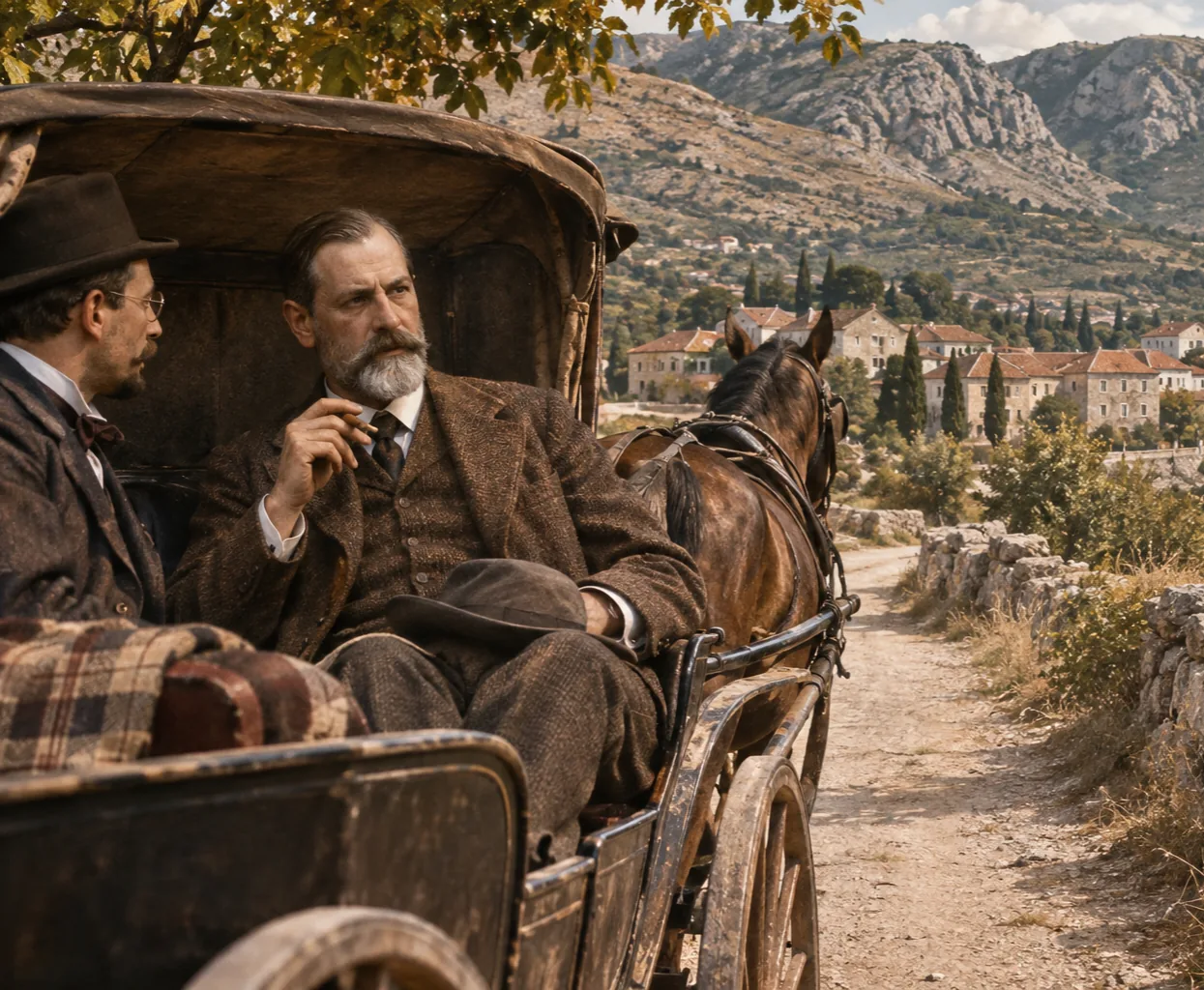
On 6 September 1898, a 42-year-old doctor from Vienna climbed into a horse-drawn carriage in Dubrovnik and set off along the dusty road into Herzegovina. He was on holiday. He had no idea that the next few hours, and one name he could not remember, would end up on the first page of one of his most famous books.
The doctor was Sigmund Freud. And the place he was heading for, according to the historians who have reconstructed his journey, was Trebinje.
A holiday on the Adriatic
At the end of August 1898 Freud left the family’s summer retreat in Aussee, in the Austrian Alps, together with his wife Martha. They travelled by train to Fiume, today’s Rijeka, and then by steamer down the Dalmatian coast: Zadar, Split and, on 5 September, Gravosa, the port of Dubrovnik. In Dubrovnik they stayed at the Grand Hotel Imperial.
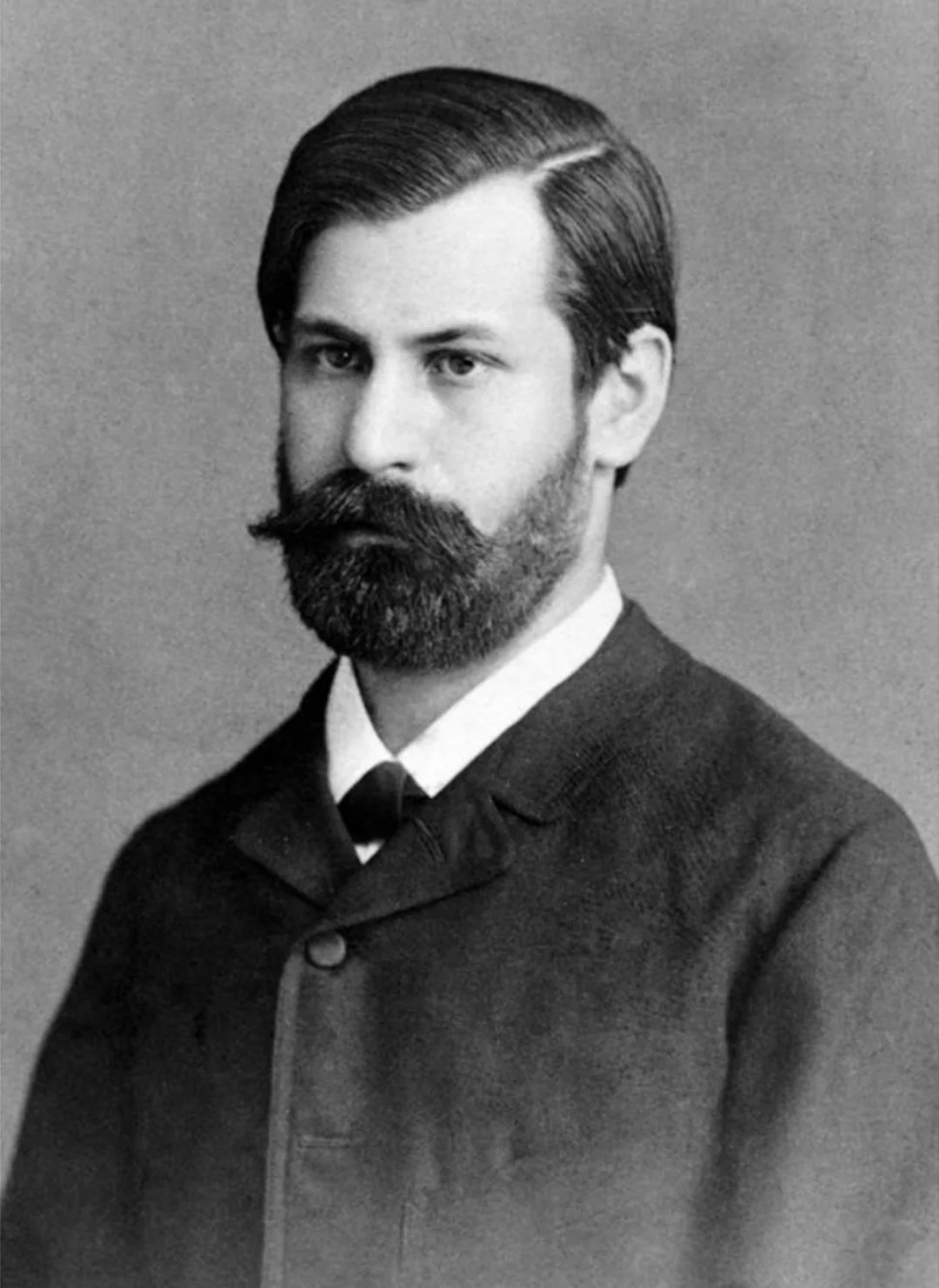
Freud was not yet world-famous. He was a Viennese neurologist working on a bold new idea about the hidden life of the mind, and he was writing the book that would make his name, The Interpretation of Dreams.
The next day he left Martha in Dubrovnik and went on an excursion inland, in a carriage, with a fellow traveller: a lawyer from Berlin named Max Freyhan. Freud himself wrote only that they drove from Ragusa “to a place in Herzegovina”. The Freud biographer Christfried Tögel, who reconstructed the whole trip from timetables and postcards, identifies that place as Trebinje.
The Trebinje Freud saw
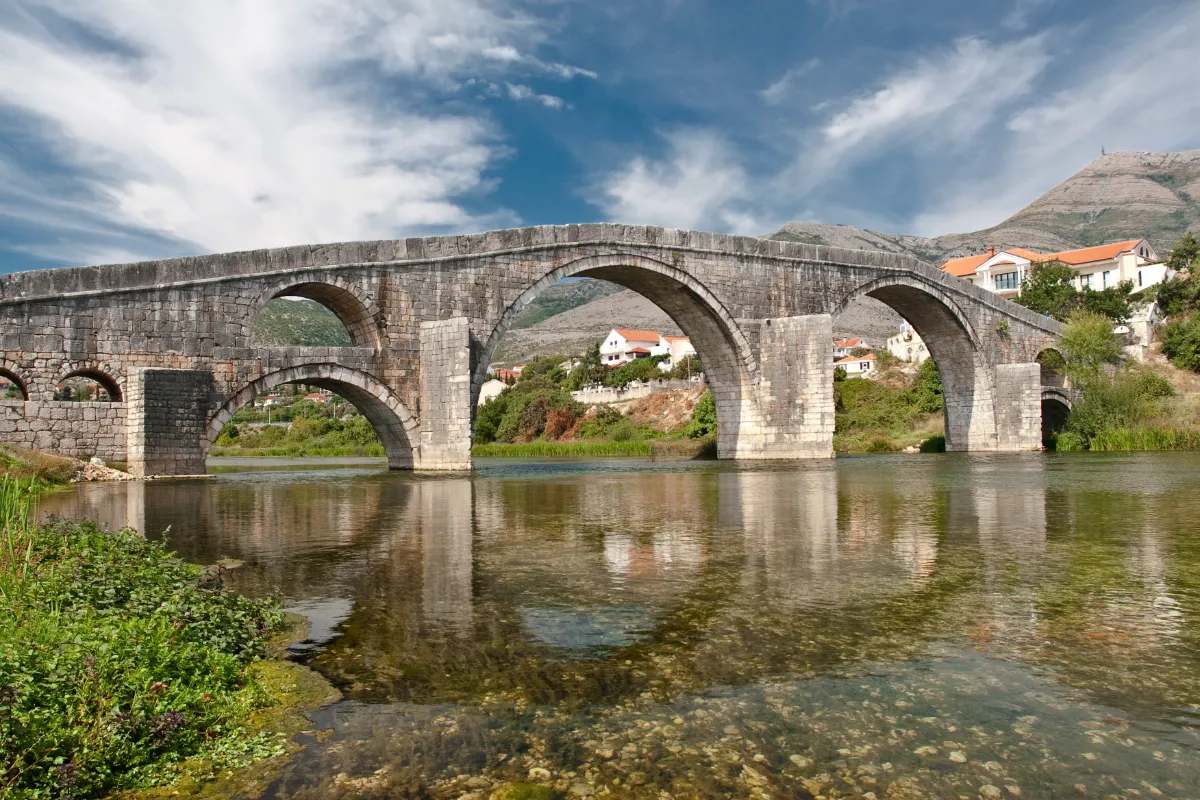
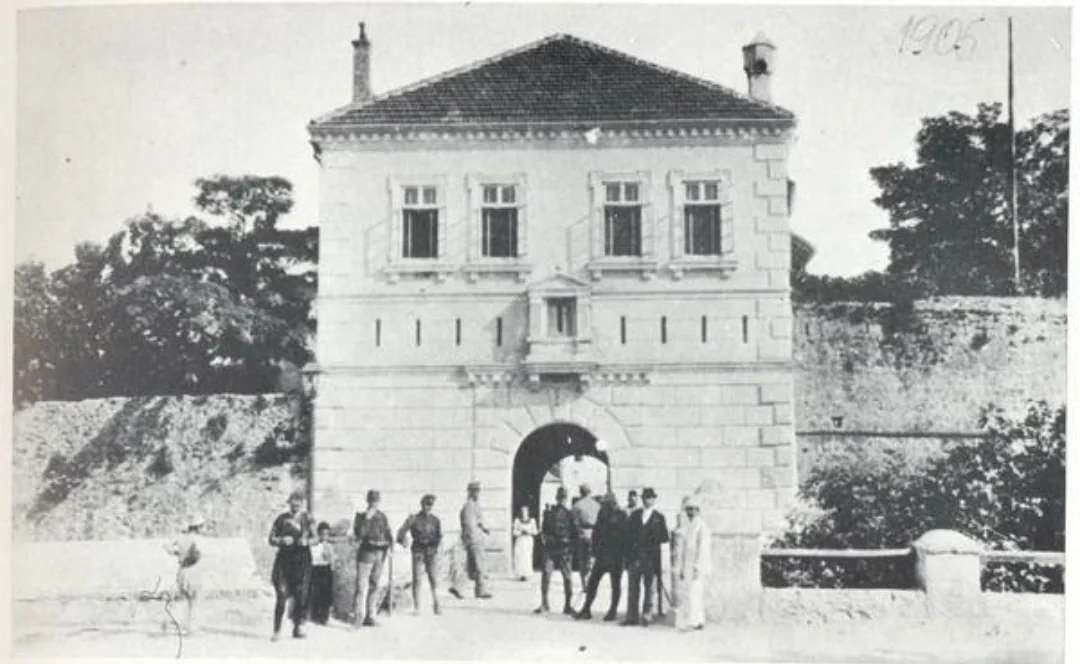
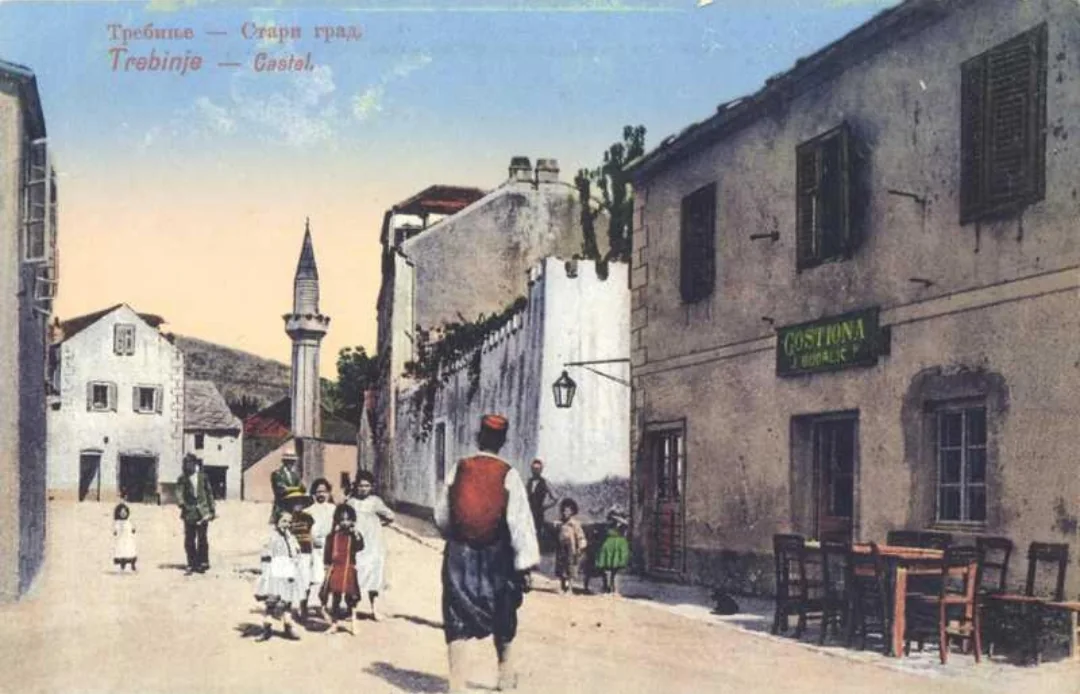
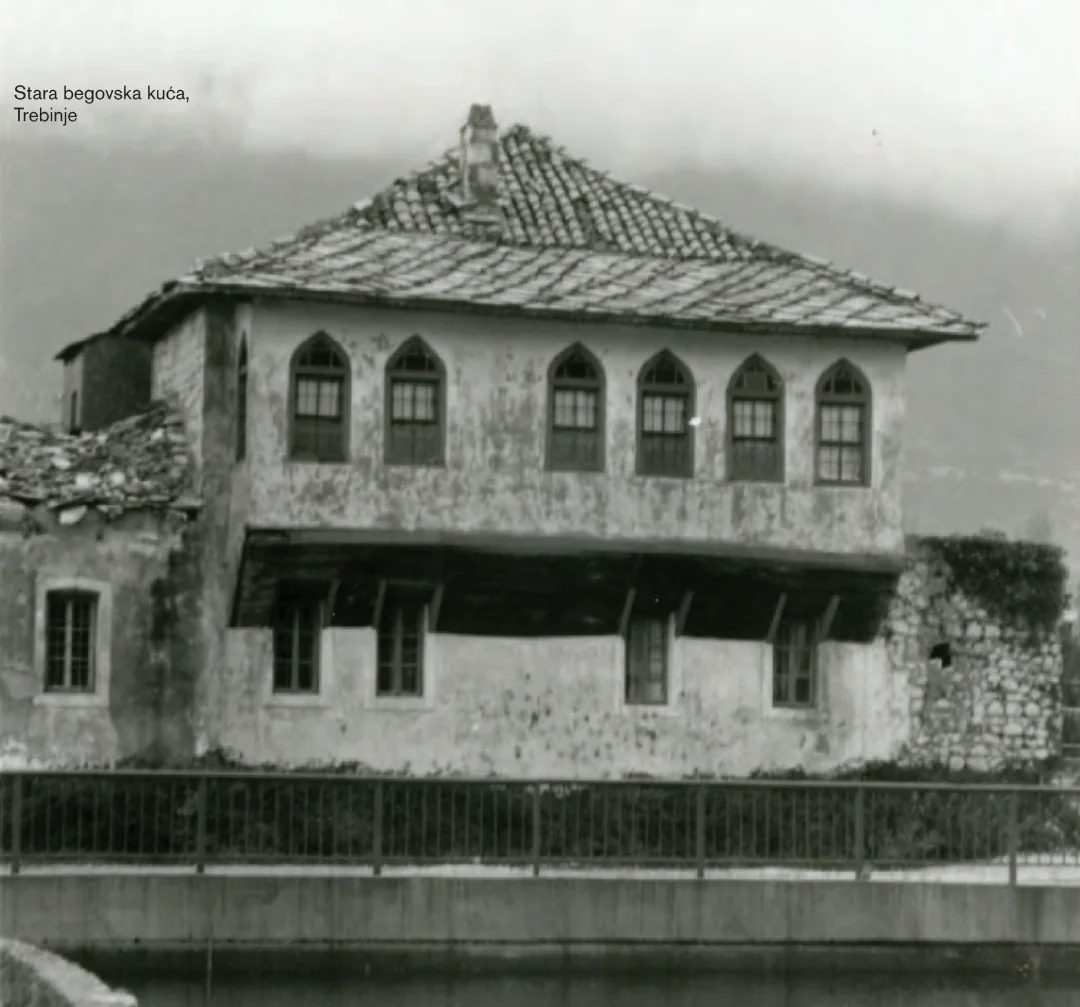
In 1898 Trebinje had been under Austro-Hungarian administration for twenty years, but it still looked and felt like an Ottoman town. Freud would have arrived at the walls of Kastel, the old town by the Trebišnjica, with its narrow streets, its minarets, its stone houses with wooden balconies and the cafés where men sat for hours over coffee.
A conversation about Bosnia and Herzegovina
On the road, the two men talked about the country they were travelling through and its people. Freud repeated what a doctor colleague who had worked in Bosnia had told him about the local people: their deep respect for doctors, and their calm acceptance of fate. When a doctor had to tell a family that a patient could not be saved, the answer would come: “Sir, what is there to be said? If he could be saved, I know you would have saved him.”
The same colleague had told Freud a second story, which he decided not to share with a stranger in a carriage. The people there, the colleague said, valued the joys of love above everything. One patient had told him: “Sir, if that comes to an end, life is no longer worth living.”
Freud kept that thought to himself. And then something strange happened.
The name that disappeared
The conversation turned to Italy. Freud wanted to tell his companion about the magnificent frescoes of the Last Judgement in the cathedral of Orvieto, which he had seen a year earlier. He could see the paintings in his mind. He could even picture the painter’s self-portrait. But the painter’s name was gone.
Instead, two wrong names kept coming back: Botticelli and Boltraffio. The right one, Signorelli, would not come. Freud only got it back days later, when someone else told him.
Most people would have forgotten the whole thing. Freud did the opposite. He sat down and took the forgetting apart, piece by piece.
- Botticelli and Boltraffio began like Bosnia, the country they were talking about.
- Signor in Italian means “sir”, in German Herr, the word that opens Herzegovina, and the word both patients used when they spoke to their doctor.
- The “traffio” in Boltraffio echoed Trafoi, a village in the Alps where, a few weeks earlier, Freud had received news that one of his patients had taken his own life.
His conclusion was revolutionary. The name had not simply slipped away. His mind had pushed it aside because it was tied to thoughts he did not want to face: death, and the topic he had chosen not to discuss in the carriage. We forget, Freud argued, not by chance, but for reasons we are not aware of.
From a carriage in Herzegovina to world literature
On 22 September 1898 Freud described the episode in a letter to his friend Wilhelm Fliess. That same year he published it in a short paper, The Psychical Mechanism of Forgetfulness. In 1901 it became the opening example of The Psychopathology of Everyday Life, the book that gave the world the idea we now call the Freudian slip.
So every time someone forgets a name at the worst possible moment, or says one word while meaning another, they are, in a way, on that road to Trebinje.
What researchers wrote later
The “Signorelli” case became one of the most discussed examples in the history of psychology, and researchers have kept coming back to it for more than a century.
- The Freud biographer Christfried Tögel reconstructed the 1898 journey day by day and placed the excursion to Trebinje on 6 September.
- The historian Peter Swales argued that Freud may have seen paintings by Boltraffio at an exhibition in Bergamo, which could explain where the strange substitute name came from.
- Critics such as the philologist Sebastiano Timpanaro questioned whether Freud’s word chains really prove his theory.
- The sociologist Dušan Bjelić has written about how Freud’s encounters with the Balkans, and with Bosnia and Herzegovina in particular, found their way into his thinking.
Whatever one thinks of the theory, the story always starts in the same place: on a carriage road in Herzegovina, in the late summer of 1898.
Sometimes one day, one journey and one conversation are enough for a great place in history.
Follow Freud’s road
The road from Dubrovnik to Trebinje is still only about 30 km. Today it takes less than an hour instead of half a day in a carriage. Kastel is still there by the river, the plane trees still shade the square, and the cafés are still full of people who are in no hurry. Come and see the town that helped Freud discover how the mind forgets, and you will find it hard to forget.
Take Freud’s road yourself on our Dubrovnik to Trebinje day trip, with a walk through the Old Town he saw in 1898.