Napoleon’s Marshal and “Très Bien”: Trebinje’s Modern Name
Napoleon’s friend on the Adriatic
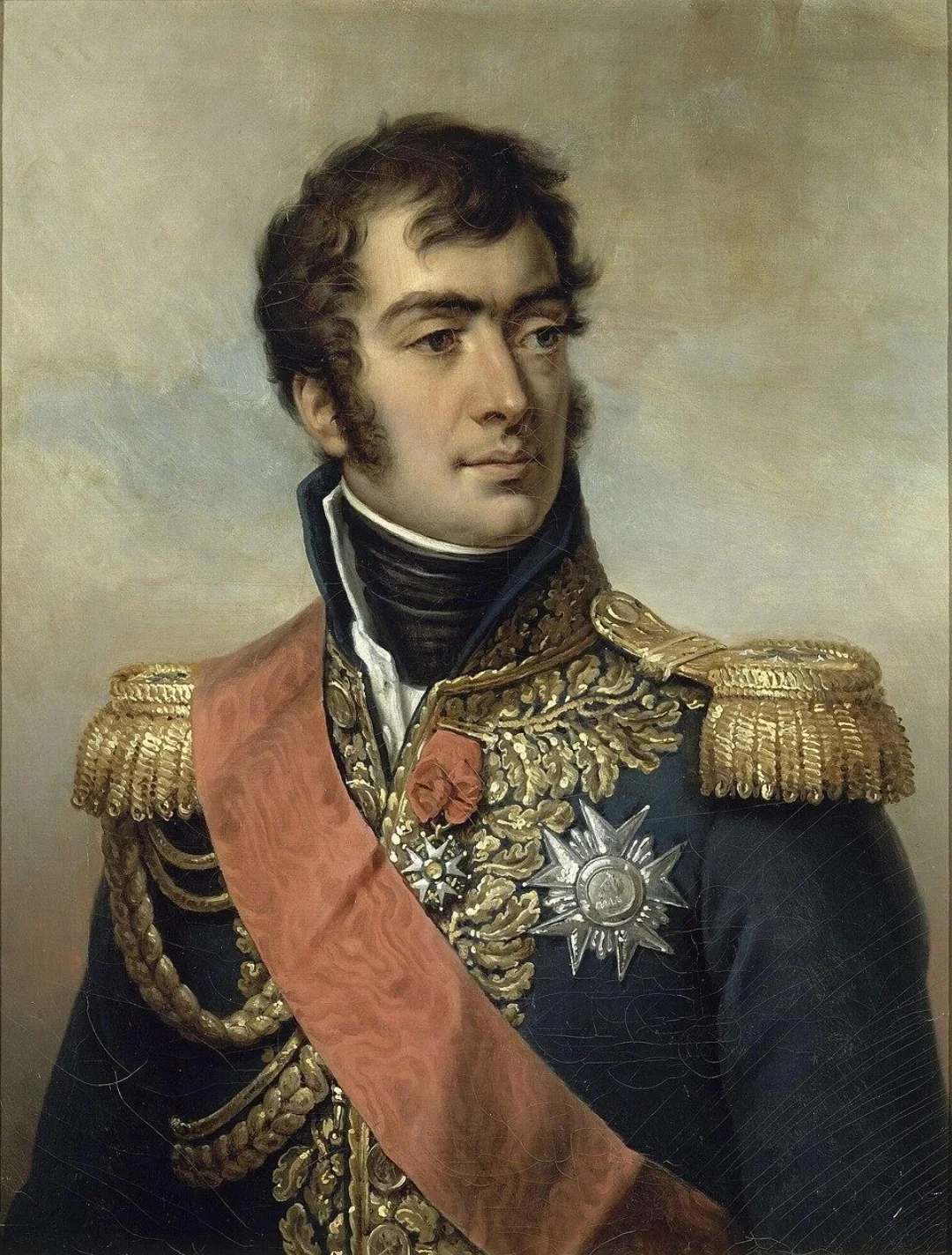
Auguste de Marmont was born in Burgundy in 1774. At the siege of Toulon in 1793 he met a young artillery officer named Napoleon Bonaparte, and he followed him for the next twenty years, through Italy and Egypt, as one of his closest friends.
In May 1806 French troops marched into Dubrovnik, then the independent Republic of Ragusa. That summer Russian and Montenegrin forces besieged the city from the surrounding hills until French reinforcements broke the siege in the autumn. In July 1806 Napoleon made Marmont governor-general of Dalmatia, and the young general took charge of the whole coast. He was a builder as much as a soldier: roads were cut through the rocky hinterland under his rule, and people remembered his public works long after he was gone.
On 31 January 1808 the French dissolved the Senate of Dubrovnik, and a republic that had stood for centuries came to an end. Napoleon rewarded Marmont with the title Duc de Raguse, Duke of Ragusa, and in 1809 made him a Marshal of France and governor of the Illyrian Provinces.
A fortress above the city
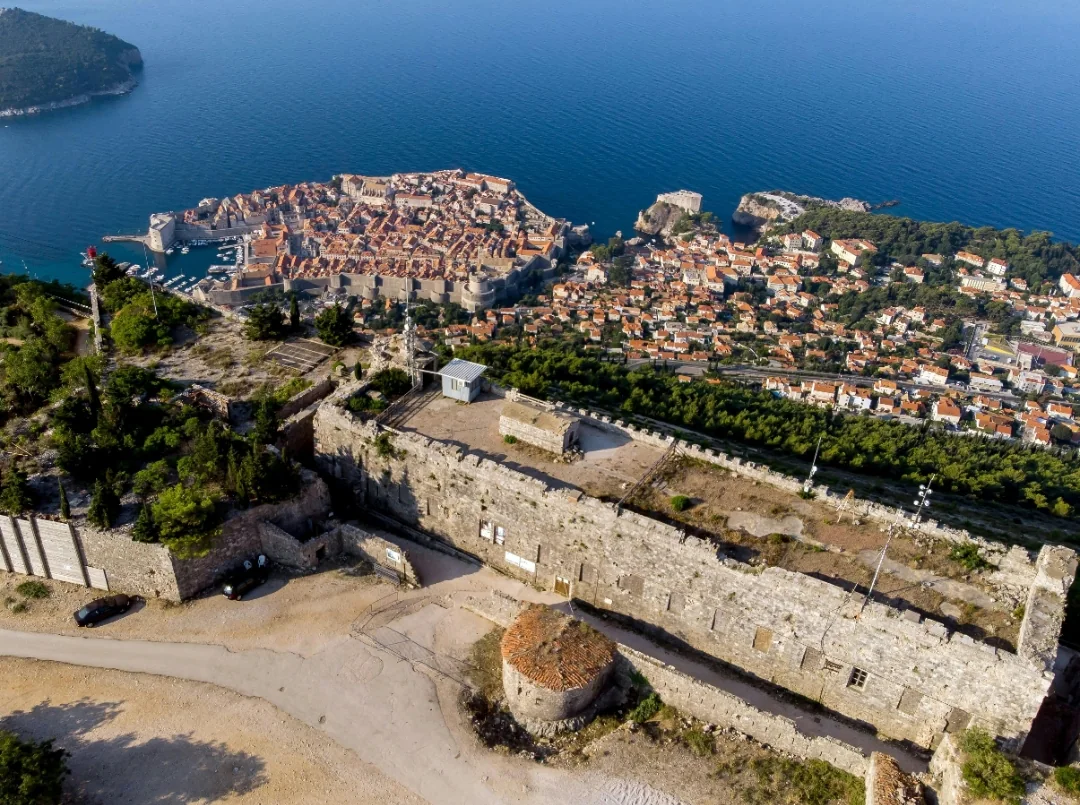
The siege had taught the French one lesson: whoever holds the hill above Dubrovnik holds the city. So in 1806 they began building a fortress on the very top of Srđ. It was finished on 15 August 1812, Napoleon’s birthday, and named Fort Imperial. It still stands there today.
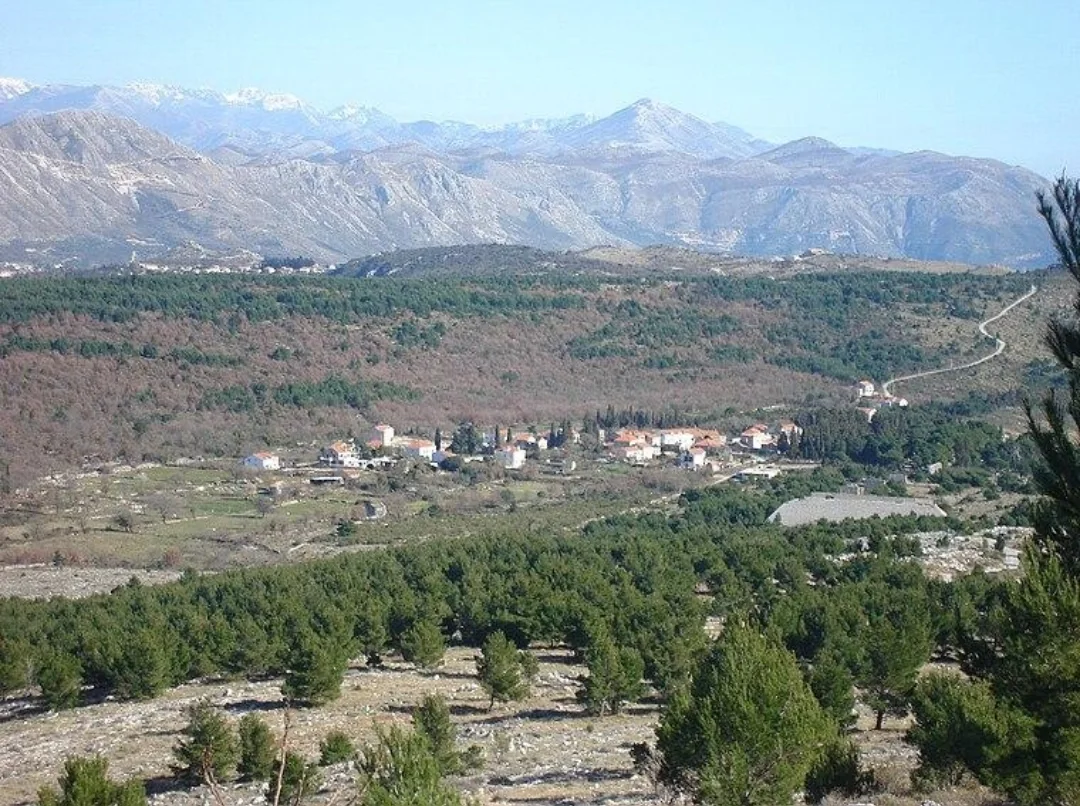
Stand on top of Srđ and you are looking at two worlds at once. On one side lie the blue Adriatic, the island of Lokrum and the red roofs inside the old city walls. On the other, the stone hills of Herzegovina roll east, where the lands of Ragusa once ended and the Ottoman Empire began, and behind them, about 30 km away, lies Trebinje.
“Magnifique!” and “Très bien!”
The story goes that the first time Marmont climbed to the top of Srđ, he stood in the wind and looked out over the Adriatic: the walled city, the harbour, the islands scattered across the blue. Taken by the view, he cried out: “Magnifique!”
Then he turned the other way. Before him lay the stone hills of Herzegovina, green valleys between them and, somewhere beyond, Trebinje. The marshal nodded, pleased with what he saw, and said: “Très bien!” Very good.
A town with many names
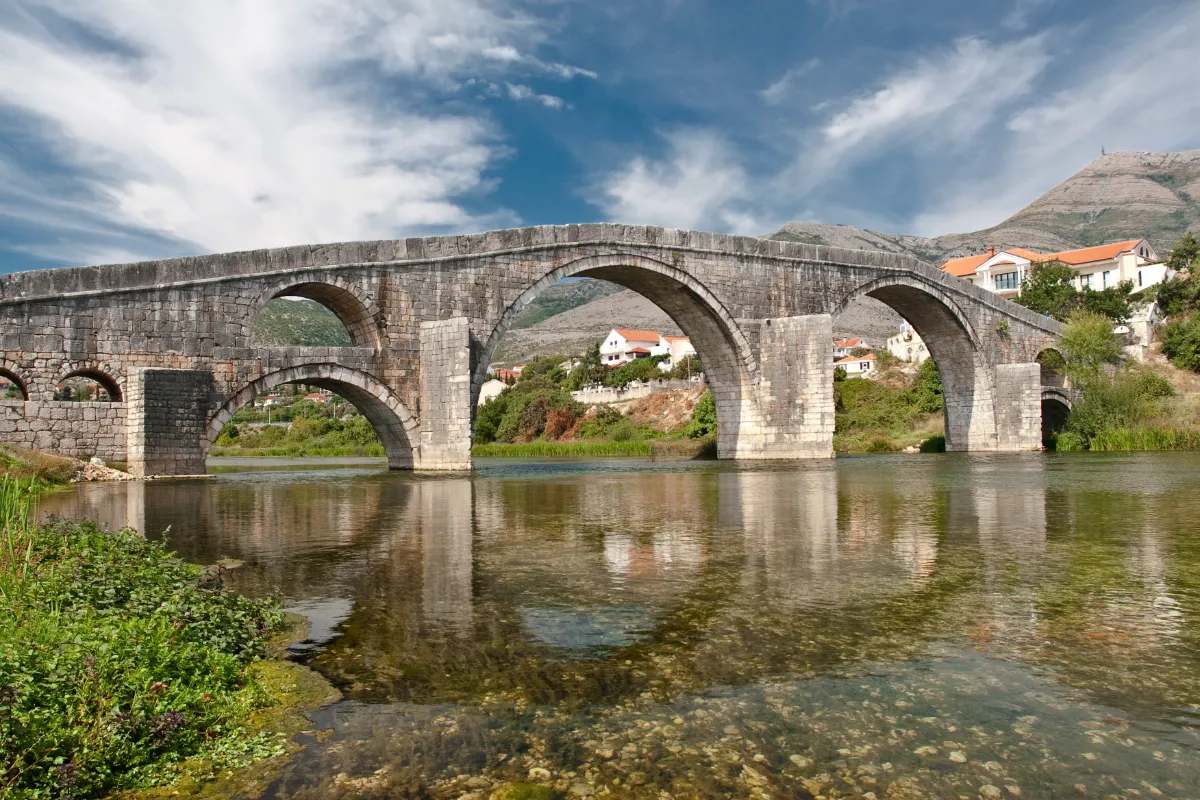
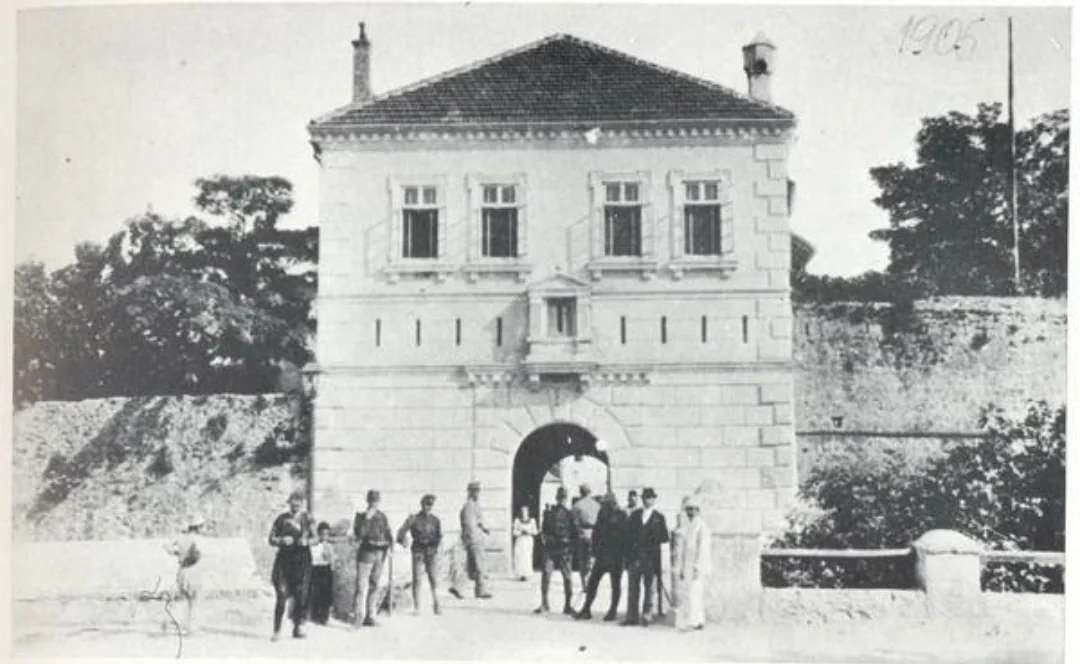
Trebinje has worn many names through the centuries. Some read its oldest form, Tribulium, as “the place of three hills”. Others link it to the Latin tribunus, a Roman military commander, and a camp on the Trebišnjica river. In the 10th century the Byzantine emperor Constantine VII Porphyrogenitus wrote about Terbounia, and for centuries the region was known as Travunija, or Tribunia in Latin.
And then, local people like to say, came the marshal’s two words. Spoken together, très bien sounds almost like a single word, treh-BYAN. The locals who heard it repeated it the way their own tongue shaped it, tre-bjen, and so a modern legend was born: that the name the town carries today, Trebinje, comes from those two French words.
The second word: from “très bien” to “ragusade”
The man who gave Trebinje its “very good” has a less flattering word to his name too. In April 1814, after the fall of Paris, Marmont took his army corps over to the Allies, and Napoleon never forgave him. Because Marmont was the Duke of Ragusa, the French began to use raguser to mean “to betray”, and a ragusade came to mean an act of betrayal.
So the marshal left his mark on two languages: a “very good” in the hills of Herzegovina, and a word for betrayal in French.
Say it yourself
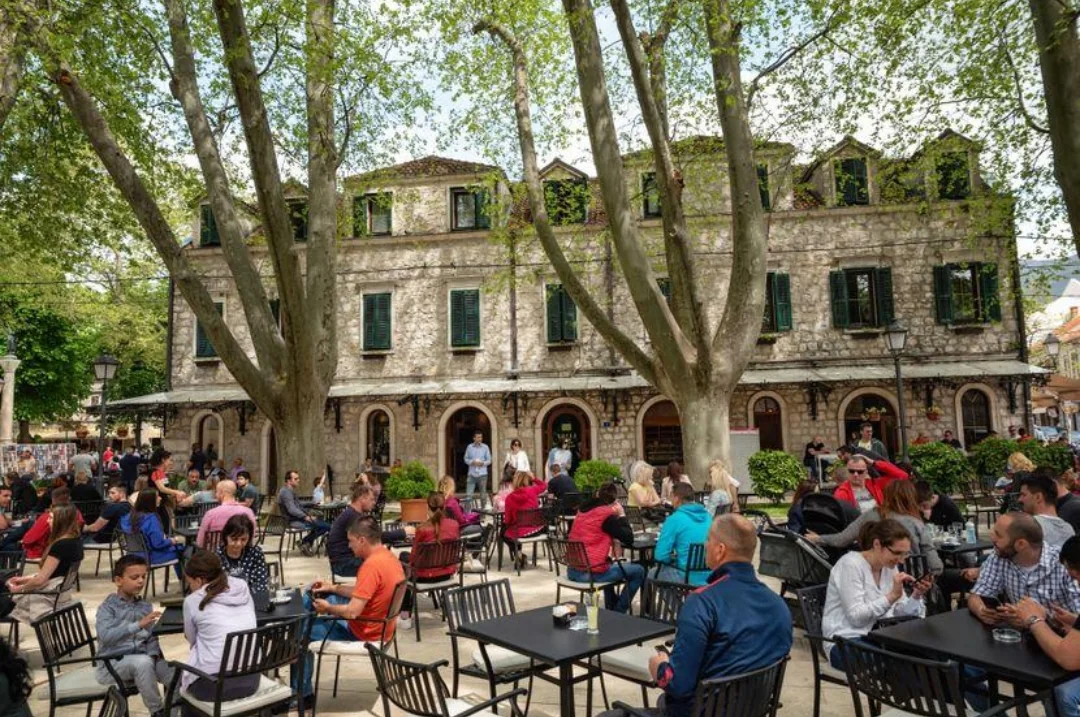
Climb Srđ in Dubrovnik and look out to sea, and you will understand “Magnifique”. Then come over the hills to Trebinje, sit under the plane trees with a coffee or a glass of local Vranac, and you will understand the second word too.
You can stand on Srđ in the morning and taste Trebinje wine by the afternoon: see our Dubrovnik to Trebinje day trip.